For many families, senior year brings a mix of excitement and worry. Graduation is a milestone, but it also raises big questions: What comes next? Will a student be ready for college, work, independent living, or some combination of all three?
For students with disabilities, the transition from high school to adult life can come with extra uncertainty, which is why support is crucial at this time. Under the Individuals with Disabilities Education Act (IDEA), transition services are meant to help students prepare for life after graduation, including postsecondary education, vocational training, employment, independent living, and community participation. Those services should be based on the student’s strengths, preferences, and interests.
That is why programs such as Works4Me and Pre-Employment Transition Services at The Abilities Connection (TAC) matter so much. They help students build practical skills, explore career options, and gain confidence before high school ends.
The Shift After High School
One of the biggest adjustments for students with disabilities is that support systems change after graduation. In K-12 education, services are driven by IDEA and the IEP process. In college or other postsecondary settings, students are protected by disability rights laws such as Section 504 and the ADA, but the system works differently. Colleges are not responsible for providing special education under IDEA, and students usually need to request accommodations for themselves.
That means self-advocacy becomes a major life skill.
Students often need to learn how to:
- Explain their strengths and support needs
- Ask for accommodations
- Manage schedules and deadlines
- Navigate transportation and community settings
- Make informed choices about work, training, or further education
These are not small steps. They are part of the foundation for adult independence.
What Are the Main Paths After Graduation?
There is no single correct path for students with disabilities after high school. A strong transition plan should reflect the individual, not force every student into the same model. Here are some common next steps:
College or Postsecondary Training
Some students move into college, certificate programs, trade schools, or other training opportunities. Success often depends on early preparation, including study skills, time management, computer skills, and understanding how to access accommodations.
Employment
Other students want to start working soon after graduation. That may include part-time jobs, internships, workplace training, or competitive integrated employment. Early job exploration can help students identify what kinds of work fit their interests and abilities.
Independent Living and Community Participation
For some students, the transition focus includes daily living skills, transportation, communication, money management, and building routines that support greater independence.
In many cases, a student’s future includes a mix of all three.
Why Transition Planning Should Start Early
IDEA requires transition planning in the first IEP that will be in effect when the student turns 16, and possibly earlier if the IEP team decides it is appropriate. The plan must include measurable postsecondary goals and transition services tied to the student’s needs.
Starting early gives students more time to practice real-world skills instead of trying to learn everything in the final months of high school.
This is where TAC’s Pre-Employment Transition Services (Pre-ETS) can make a real difference. Pre-ETS offers structured, customized support that helps students develop job exploration skills, work-based learning experience, workplace readiness, self-advocacy, and postsecondary counseling. Our programming is fully customized to align with IEP goals and transition plans, which can help schools and families create a more connected path forward.
How Works4Me Helps Students Prepare for Adult Life
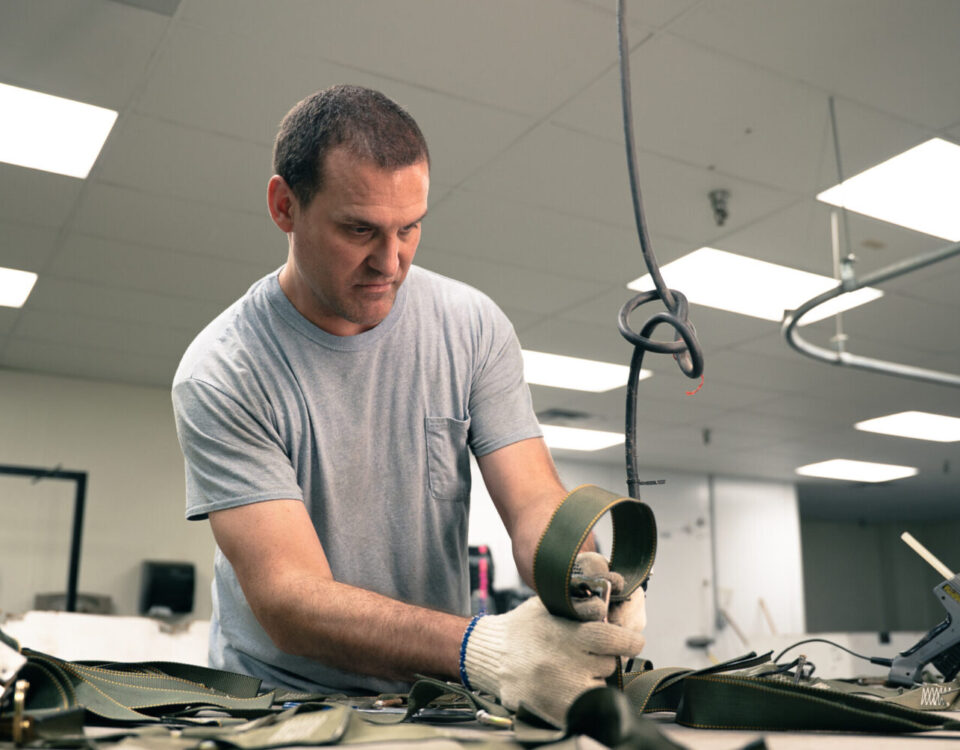
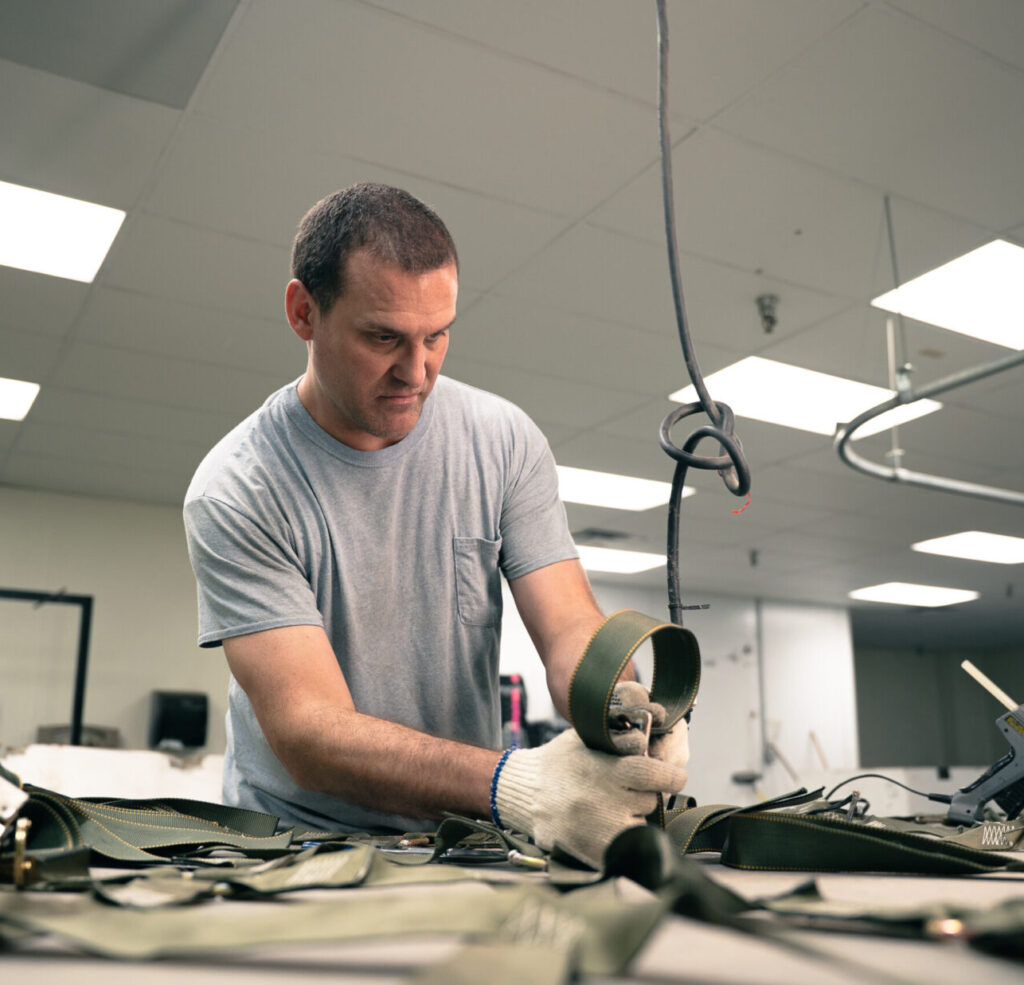
TAC’s Works4Me program takes that preparation a step further by giving individuals hands-on opportunities to explore employment in supportive, real-world environments. Our program includes community-based learning experiences, career exploration, workplace exposure, and support for communication, social skills, and self-advocacy.
That matters because transition planning works best when it moves beyond paperwork.
Individuals benefit from chances to:
- Try tasks in real settings
- Discover what kind of support helps them succeed
- Build workplace confidence
- Practice communication with supervisors and peers
- Connect school goals to life after graduation
Students need more than a conversation about the future. Transition-oriented programming can help students access guided experience.
What Families Should Ask Before Graduation
As graduation approaches, families may want to ask:
- What are the student’s postsecondary goals?
- What transition services are already in the IEP?
- Has the student had opportunities for job exploration or work-based learning?
- Is the student learning self-advocacy skills now?
- What adult service, vocational, or community supports should be connected before graduation?
The earlier these questions are addressed, the less overwhelming the transition can feel.
Moving Forward With Confidence
The years after high school can feel uncertain, but they can also open the door to growth, purpose, and greater independence. With thoughtful transition planning, students with disabilities can move toward work, education, and adult life with stronger support and clearer direction.
TAC’s Works4Me and Pre-ETS help make that transition more practical and more personal. By combining skill-building, career exploration, and individualized support, TAC helps students prepare for what happens after high school and for what comes next. See how these programs can fit into your transition plan.
TAC is a nonprofit organization that empowers people with disabilities and other barriers to reach their full potential. Through workforce development initiatives, day programs, transportation services, and more, we enable individuals with disabilities to thrive by providing meaningful employment, dedicated training, and comprehensive support. Explore our programs and business offerings, or donate to make a lasting difference in the lives of those with disabilities in our community.