When we talk about preventive care, most people picture annual physicals, blood pressure checks, and maybe a daily multivitamin. Rarely does anyone mention the phone call they didn't make, the club they never joined, or the years spent moving through a life that looks full from the outside but feels quietly empty from within.
Yet mounting evidence suggests that social isolation and loneliness may be among the most underestimated threats to long-term health in America today. That means belonging, community, and routine connection belong squarely in the conversation about living well.
The Loneliness Epidemic Is a Medical Problem
In 2023, U.S. Surgeon General Dr. Vivek Murthy issued a landmark advisory on loneliness and social isolation, calling disconnection a full-scale public health crisis. The numbers behind that declaration are hard to deny.
According to the advisory and supporting research from HHS:
- Poor social relationships increase the risk of heart disease by 29% and stroke by 32%.
- Chronic loneliness among older adults raises the risk of developing dementia by approximately 50%.
- Lacking social connection carries health risks comparable to smoking 15 cigarettes a day.
- People with a strong sense of community belonging are 2.6 times more likely to rate their own health as good or excellent.
These numbers demonstrate that the human body is wired for connection; when it goes without, the damage is measurable and progressive.
Who Loneliness Hits Hardest
Loneliness does not distribute itself evenly. While roughly half of US adults report feeling isolated, left out, or lacking connection, certain groups face persistent, structural isolation that compounds over time.
People with intellectual, developmental, or physical disabilities are particularly vulnerable. Limited mobility, communication differences, dependence on caregivers, and reduced access to mainstream social spaces can all create invisible walls between a person and the wider community. This lack of social access creates conditions in which around two-thirds of working-age adults with disabilities report experiencing severe loneliness. Social exclusion in this population is not simply a quality-of-life issue; it’s a health issue, a safety issue, and a matter of basic human dignity.
For these individuals, daily structure and community-based programming are medicine.
Why Routine Is Important for Connection
There's a reason that loneliness often spikes during major life transitions: retirement, job loss, the death of a spouse, or aging out of school. These events don't just remove people from our lives. They remove the structure that put us in the same room with other people in the first place.
Routine creates low-stakes, high-frequency contact that helps build genuine belonging. It's the coworker you see every Tuesday, the neighbor whose dog you know by name, the familiar face behind the counter at your regular coffee stop. None of these interactions feels profound in the moment, but together, they form the connective tissue of a life that feels lived with others rather than alongside them.
For adults who face barriers to independence, recreating that scaffolding often requires intentional support. That's where organizations such as The Abilities Connection (TAC) play a vital, often unseen role in community health.
How TAC Builds Belonging Into Every Day
TAC is a nonprofit based in Ohio that has spent more than 65 years empowering people with disabilities through meaningful employment, training, and support. Our programs are designed to build skills and support lives anchored by purpose, routine, and real human connection.
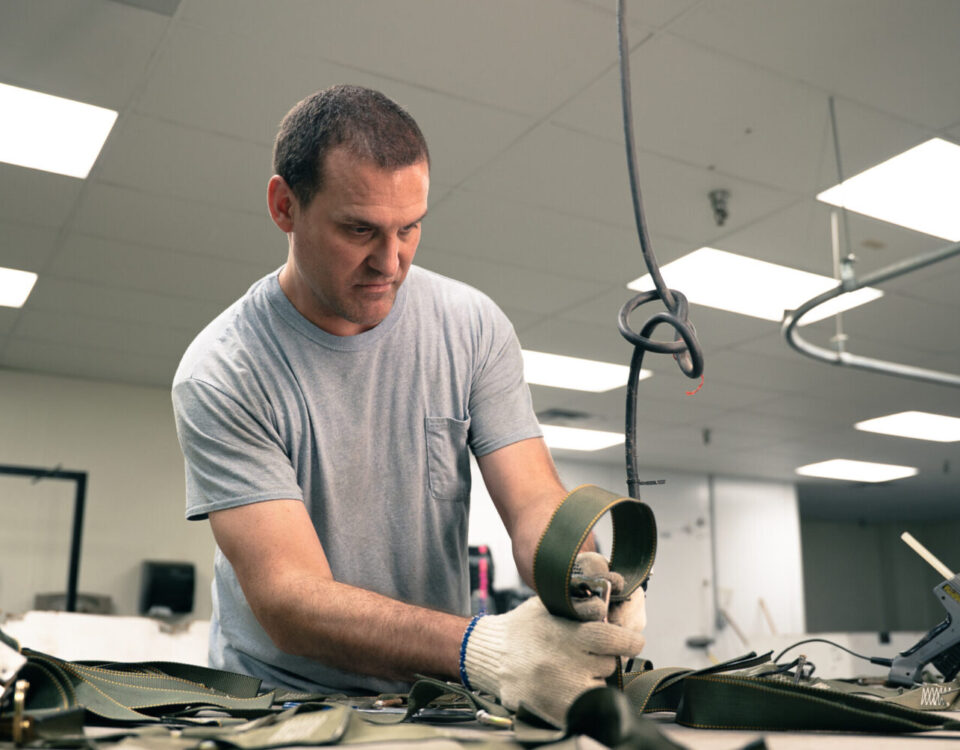
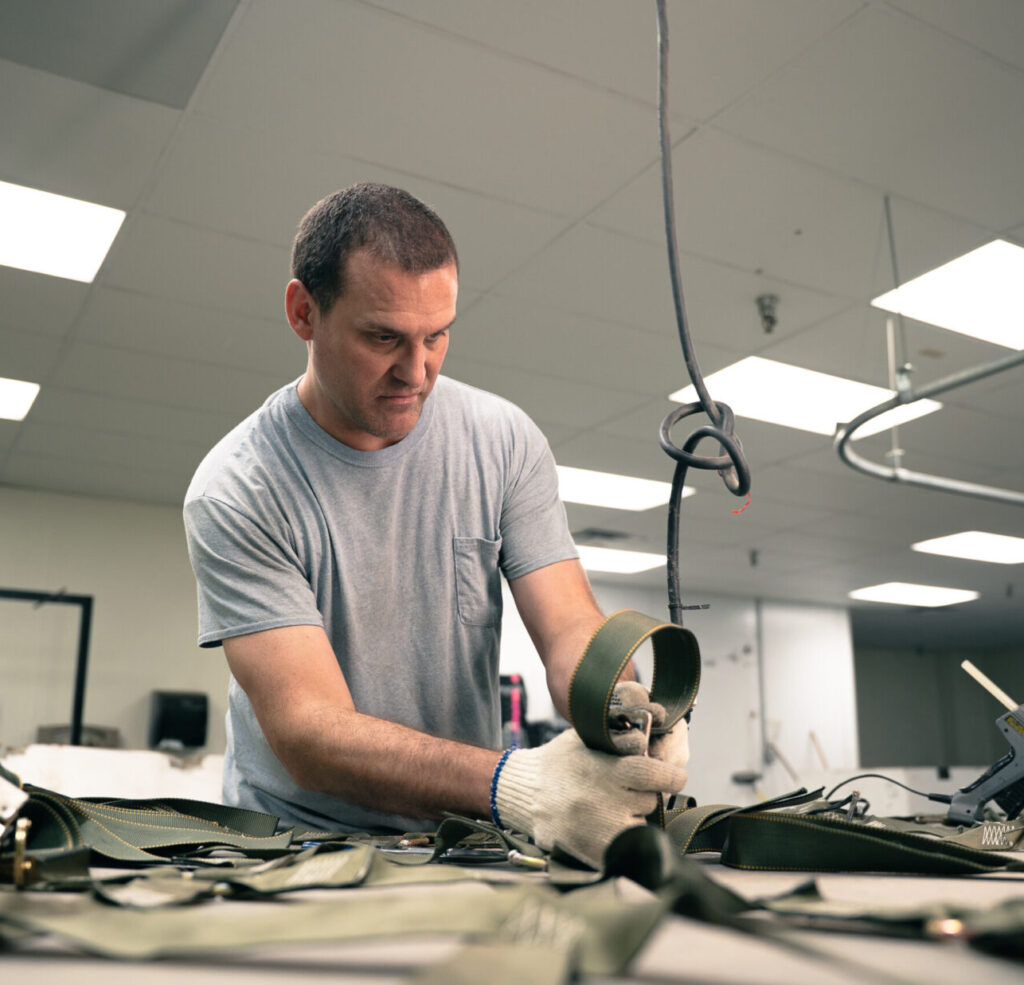
Through workforce development, adult day programs, and more, we create the kind of structured, consistent environments where genuine belonging can take root. Participants show up, see familiar faces, work toward shared goals, and are seen and valued as contributing members of their community. That experience, repeated day after day, is extraordinarily valuable.
Explore TAC's full range of programs and services to see how each supports individuals with disabilities as they gain independence and become more integrated in their community than ever.
Belonging Is a Strong Foundation for Health and Wellness
The science here is clear: Social connection improves health outcomes, reduces healthcare costs, and extends life. But perhaps more than the data, there is something deeply intuitive about it. We were not built to be alone. Isolation is a stressor, and like all chronic stressors, it wears the body down over time.
What that means is that programs offering community-based support for adults with disabilities are doing something far more expansive than teaching job skills or filling hours in a day. They are interrupting a cycle of isolation that, left unchecked, has very real clinical consequences.
What You Can Do
Whether you're a caregiver, a family member, a healthcare professional, or simply someone who believes in the power of community, there are concrete ways to build social connection:
- Ask the person in your life who seems isolated what their week looks like. Loneliness is often invisible.
- Connect people to structured day programs or supported employment opportunities. These experiences offer the kind of consistent, routine-based social exposure that casual visits cannot replicate.
- Support organizations such as TAC that are doing this work every day, often with limited resources and enormous need.
- Reframe how you think about preventive care. A structured day. A paying job. A familiar face at the door each morning. These things keep people well.
The epidemic of loneliness is real and solvable. Not with a prescription or a policy alone, but with the deliberate, sustained commitment to ensuring that every person, regardless of ability, has somewhere to belong and someone to belong with.
TAC is a nonprofit organization that empowers people with disabilities and other barriers to reach their full potential. Through workforce development initiatives, day programs, transportation services, and more, we enable individuals with disabilities to thrive by providing meaningful employment, dedicated training, and comprehensive support. Explore our programs and business offerings, or donate to make a lasting difference in the lives of those with disabilities in our community.