Career Exploration for Adults With Intellectual and Developmental Disabilities: Finding Strengths and Preferences
Work is about more than a paycheck. For adults with intellectual and developmental disabilities (IDD), a meaningful job can be the difference between isolation and belonging.
And yet, the numbers tell a discouraging story. According to a 2021-22 National Core Indicators report, 84% of individuals with IDD reported not holding a paid job in the community, even as 59.2% of the general US population is employed. That's not a skills gap. It's an opportunity gap, and career exploration is one of the most powerful tools for closing it.
What Career Exploration Actually Looks Like for Adults With IDD
Career exploration isn't a single test or a one-time conversation. It's an ongoing process of discovering what an individual is good at, what excites them, and what kind of work environment helps them thrive. For adults with IDD, that process needs to be hands-on, personalized, and free from the assumption that certain jobs are off limits.
Done well, career exploration includes:
- Interest inventories and preference assessments that go beyond paper forms, using real activities, job samples, and community experiences to understand what genuinely engages a person
- Strength-based conversations with the individual, their family, and support staff to identify natural talents, reliable skills, and consistent behaviors (like punctuality, attention to detail, or strong social skills)
- Situational assessments in actual workplace settings, where a person can try out different tasks without the pressure of a formal job interview
- Reflection and goal-setting, helping the individual articulate what they want, not just what others think is realistic for them
This person-centered approach respects self-determination, a cornerstone of modern disability services and a requirement under the Workforce Innovation and Opportunity Act (WIOA).
The Role of Job Skills Development in Career Readiness
Identifying preferences is just the beginning. Once a person knows what kind of work appeals to them, they need structured support to build the skills that make employment sustainable.
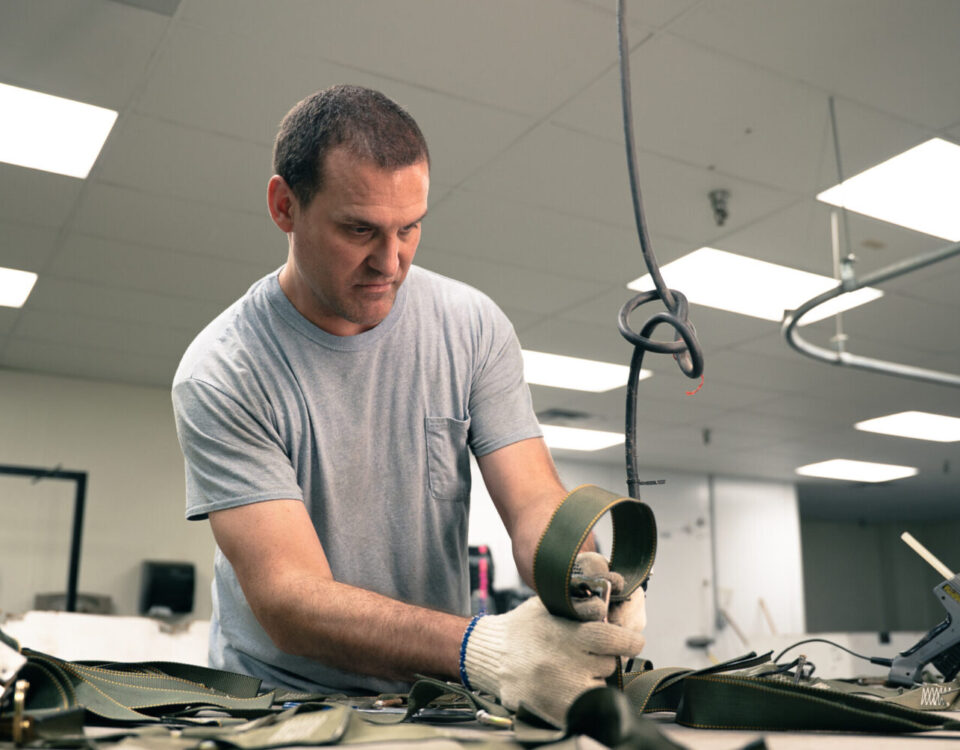
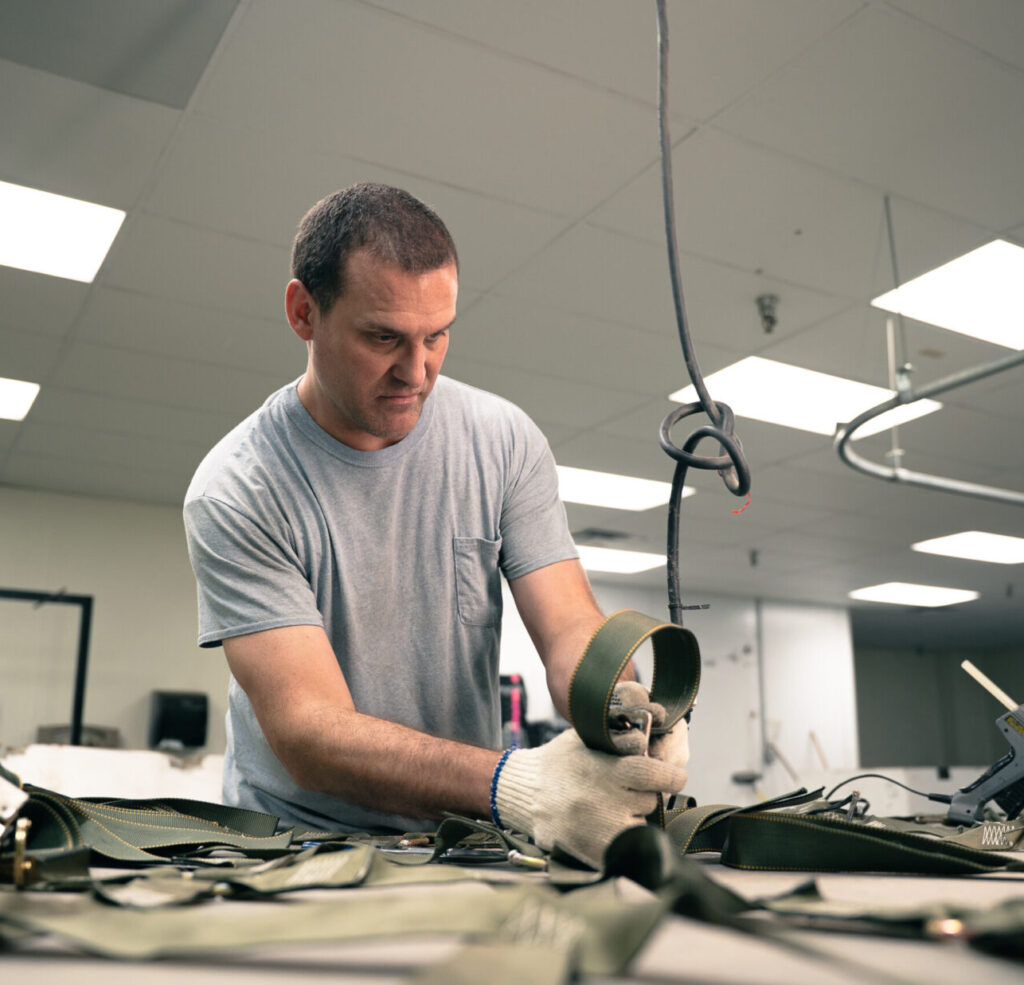
At The Abilities Connection (TAC), our Workforce Development programs are built around exactly this idea. We focus on developing the foundational job skills that employers value most: responsibility, attendance, task completion, problem-solving, and workplace social skills. TAC builds them through real work in supportive environments, giving adults with IDD the chance to practice and grow without fear of failure.
Why Strengths-Based Employment Works
Adults with IDD succeed most in jobs that align with their genuine interests and natural abilities. Special Olympics research found that 62% of adults with intellectual disabilities in competitive employment have stayed with the same employer for three or more years, a retention rate many industries would welcome. When the match is right, people stay and contribute.
TAC's workforce development model is grounded in these same outcomes, helping participants find the right fit, then providing ongoing support so each person can grow.
Getting Started: Practical Steps for Individuals, Families, and Supporters
If you're supporting an adult with IDD who is ready to explore career options, here's where to begin:
- Start with curiosity, not limitations: Ask the person what they enjoy, what they're proud of, and what they notice themselves doing well, even outside of formal work settings.
- Look for patterns in everyday behavior: Someone who organizes everything at home may thrive in a role that requires inventory management or quality control.
- Pursue community-based job sampling: Brief, low-stakes exposures to different workplaces tell you more than any questionnaire.
- Connect with a workforce development program: Organizations such as TAC provide structured pathways that include assessment, training, job development, and placement, removing the guesswork for both the individual and their support network.
- Explore vocational rehabilitation (VR): State VR agencies offer funded services for job seekers with disabilities, and 2024 data shows more than 11,000 individuals with intellectual disabilities left VR services with a competitive integrated job.
The Bigger Picture
Every adult with IDD who finds meaningful work gains more than income. They gain routine, community, and the sense that their contributions matter. Families gain peace of mind. Employers gain dependable, motivated team members. And communities grow stronger when everyone has a real stake in them.
TAC's workforce development programs exist because those outcomes don't happen by accident. They happen through deliberate, respectful, person-centered support. The kind that starts not with a job listing, but with a genuine question: What are you good at, and what do you want to do?
That question, asked seriously and followed up with real resources, changes lives.
Learn more about workforce development with TAC today.
TAC is a nonprofit organization that empowers people with disabilities and other barriers to reach their full potential. Through workforce development initiatives, day programs, transportation services, and more, we enable individuals with disabilities to thrive by providing meaningful employment, dedicated training, and comprehensive support. Explore our programs and business offerings, or donate to make a lasting difference in the lives of those with disabilities in our community.